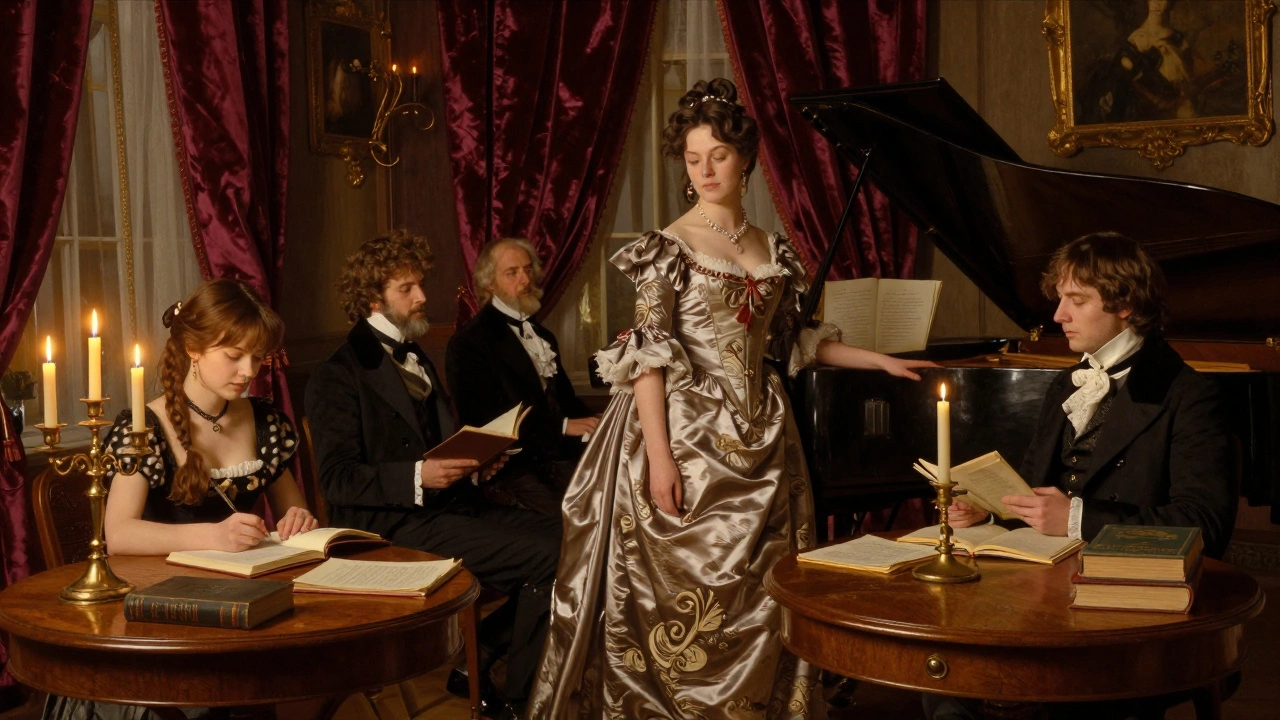
When people think of escorts in Russian history, they often picture glamorous parties or secret meetings in St. Petersburg salons. But the reality runs deeper than romance or transactional companionship. For centuries, Russian courtesans-known as dvoryanki or blagorodnye dushi-were cultural influencers, political connectors, and intellectual equals to the men who sought their company. Their role wasn’t just about physical presence; it was about conversation, influence, and survival in a rigid social system.
Some modern online platforms try to simplify this legacy into something resembling london escort girl reviews, reducing complex human relationships to ratings and photos. But the Russian tradition was never that shallow. These women often held degrees in literature, music, or languages. Many hosted literary salons where Tolstoy and Dostoevsky debated ideas. Their value wasn’t measured in hourly rates, but in their ability to challenge, comfort, and elevate those around them.
The Origins of Russian Courtesans
The roots of this tradition stretch back to the 17th century, when noblewomen were rarely allowed to participate in public life. Meanwhile, men in court and military circles needed companions who could speak French, play the piano, and navigate diplomatic circles. Enter the courtesans-women from lower noble families, orphaned daughters of officers, or talented performers who rose through patronage.
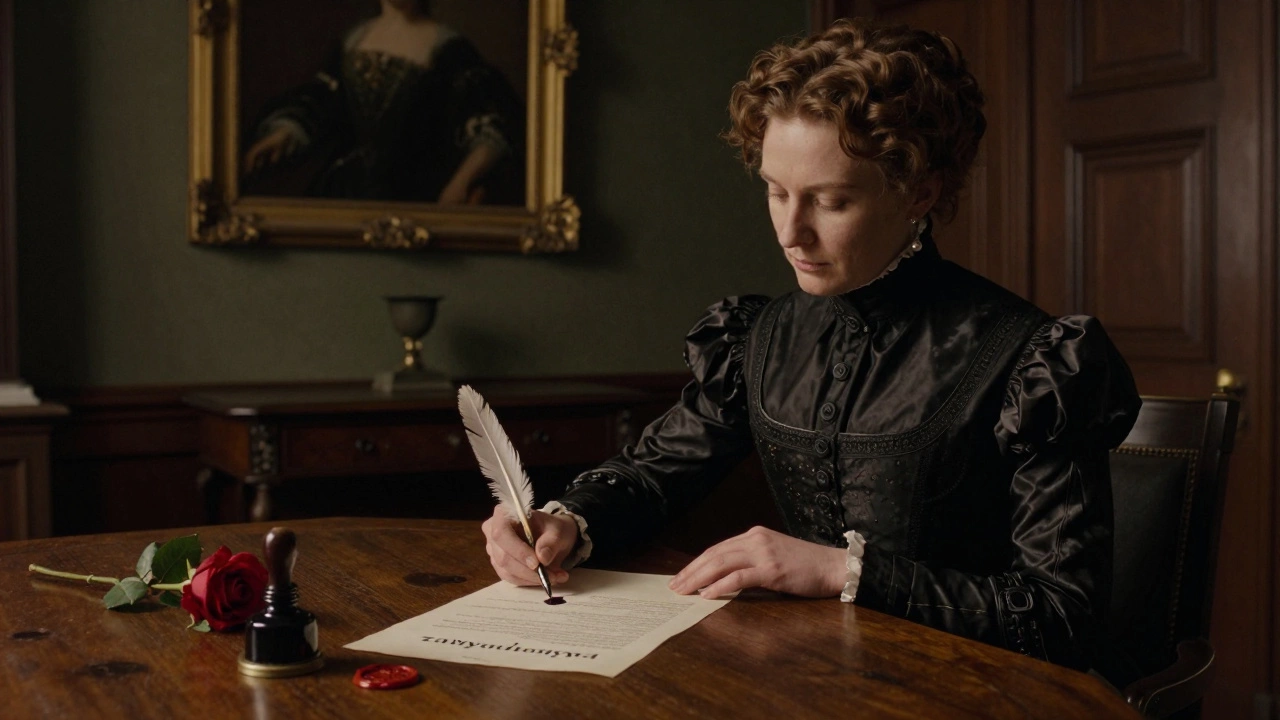
Unlike prostitutes, these women operated under formal contracts called zaklyucheniya. These agreements outlined terms of residence, financial support, education for their children, and even inheritance rights. Some courtesans ended up owning estates. Others became mentors to young aristocrats. Their status was protected by law, not hidden by shame.
Power Behind the Scenes
In the 1800s, Russian courtesans were some of the only women with access to political elites. Princess Dashkova, though technically a noblewoman, lived much of her life as a courtesan to powerful ministers. She used her position to push for women’s education and founded Russia’s first academy of sciences. Her story wasn’t unique. Many courtesans acted as unofficial diplomats, relaying messages between rival factions during times of political unrest.
They weren’t just passive recipients of gifts-they were strategists. A well-placed word from a courtesan could get a man promoted, a debt forgiven, or a rival exiled. Their influence was so feared that Catherine the Great once banned public gatherings hosted by courtesans, fearing they were breeding grounds for conspiracy.
Art, Music, and the Birth of Modern Culture
The salons run by Russian courtesans were the original incubators of modern Russian culture. Writers like Pushkin and Turgenev wrote poems dedicated to them. Composers like Tchaikovsky played private recitals in their drawing rooms. These spaces were the only places where artists, thinkers, and politicians could meet without censorship.
Many courtesans commissioned artwork, funded publishing houses, and secretly supported dissident journals. One woman, Elena Vasilievna, used her wealth to print banned copies of Herzen’s newspaper Kolokol-distributed across Europe under her name. She was never arrested, because no one dared accuse a woman of such influence without proof.
Decline and Transformation
The October Revolution of 1917 changed everything. The Bolsheviks outlawed all forms of patronage, calling courtesans “remnants of bourgeois decadence.” Their homes were seized, their contracts voided, their names erased from official records. Many fled abroad. Others disappeared into obscurity.
But the legacy didn’t vanish. In the 1990s, as Russia opened up economically, a new wave of high-end companions emerged-not as courtesans, but as “personal assistants” or “event partners.” These women were often multilingual, educated, and connected. They didn’t hide their work; they marketed it as lifestyle consulting. Some even published memoirs.
Today, you can find profiles online that claim to offer “Russian escort services,” but most are shallow imitations. The real tradition-where intellect, art, and power intertwined-is gone. What remains are echoes: a woman in Moscow who still hosts weekly poetry nights for expats, or a retired ballerina in Sochi who advises young entrepreneurs on networking.
Modern Misconceptions
It’s easy to confuse today’s adult entertainment industry with historical Russian courtesans. But there’s a world of difference. One is transactional; the other was transformative. One sells time; the other sold insight. One relies on algorithms; the other relied on reputation.
When you read escort girls in london, you’re seeing a productized version of companionship. It’s efficient, standardized, and digital. But the Russian model was messy, personal, and deeply human. It didn’t promise pleasure-it promised connection. And that’s why people still write about it.

Why This History Matters Today
Understanding the Russian courtesan tradition helps us see how women have always navigated systems that tried to silence them. They didn’t wait for permission to be powerful. They built their own platforms. They turned social restrictions into strategic advantages.
Modern women in high-level corporate roles, political advisors, or tech founders often operate in ways that mirror this old model-using relationships, not just resumes, to gain access. The difference? Today, they don’t have to hide. But they still need the same skills: charm, intelligence, and the courage to speak truth to power.
What’s Left of the Tradition?
If you visit the Hermitage Museum in St. Petersburg, you’ll find portraits of women labeled only as “unknown lady.” Many were courtesans. Their names were erased. But their influence lingers in the art, the music, the books.
There’s a small archive in Moscow, maintained by a retired professor, that holds letters, diaries, and contracts from 19th-century courtesans. It’s not open to tourists. Only researchers can access it. But if you ask nicely, you might get a glimpse of the original zaklyucheniya-written in elegant cursive, signed with ink and seal.
These aren’t just historical documents. They’re proof that companionship, when rooted in mutual respect and intellectual equality, can be one of the most powerful forces in society.
Final Thoughts
The idea of an “escort” today often carries stigma. But if you look back at history, you’ll see that the most influential women in Russian society weren’t queens or generals-they were the ones who sat beside them, listened, spoke, and changed the course of events without ever holding office.
It’s not about sex. It’s about presence. About being the one person in the room who knows how to make silence meaningful. That’s what the Russian courtesans mastered. And that’s what’s missing from most modern interpretations.
If you’re curious about how companionship functions in other cultures, you might come across escort girls north london listings. But don’t mistake them for the real thing. Those are services. The Russian tradition was a legacy.